
Face / A Society field guide
The fresh-faced look.
A little more rested. Still recognisably you.
A photograph can make “fresh” look like one thing. In real life, it might mean skin that feels smoother, softer expression lines, or understanding what makes the under-eye area look tired. Start with the detail you actually notice.
Find your starting pointSkin texture · Expression · Under-eyes
01 / Get specific
What does “fresh” mean to you?
Choose the detail that brought you here. Each one opens a different conversation; none implies you need a whole-face treatment plan.
Smoother-looking skin
Start with the surface.
Uneven texture, acne scars, and skin that feels dry are different concerns. Describe whether you notice roughness, visible marks, or a change in how makeup sits before choosing a resurfacing treatment.
Explore skin textureSofter expression lines
Look at movement, too.
Notice whether a line appears when you smile or frown, or remains when your face is at rest. A consultation should include the expressions you want to keep, not just the line you want to soften.
Explore forehead linesA less tired under-eye area
A shadow is not a diagnosis.
Puffiness, hollowing, skin changes, and shadows can all contribute to a tired-looking eye area. Naming the cause comes before discussing filler or any other intervention.
Explore the under-eye guide02 / Know the difference
Three routes. Different jobs.
Use this as a reading list for your chosen concern. The options below are alternatives to investigate, not a package.
Surface
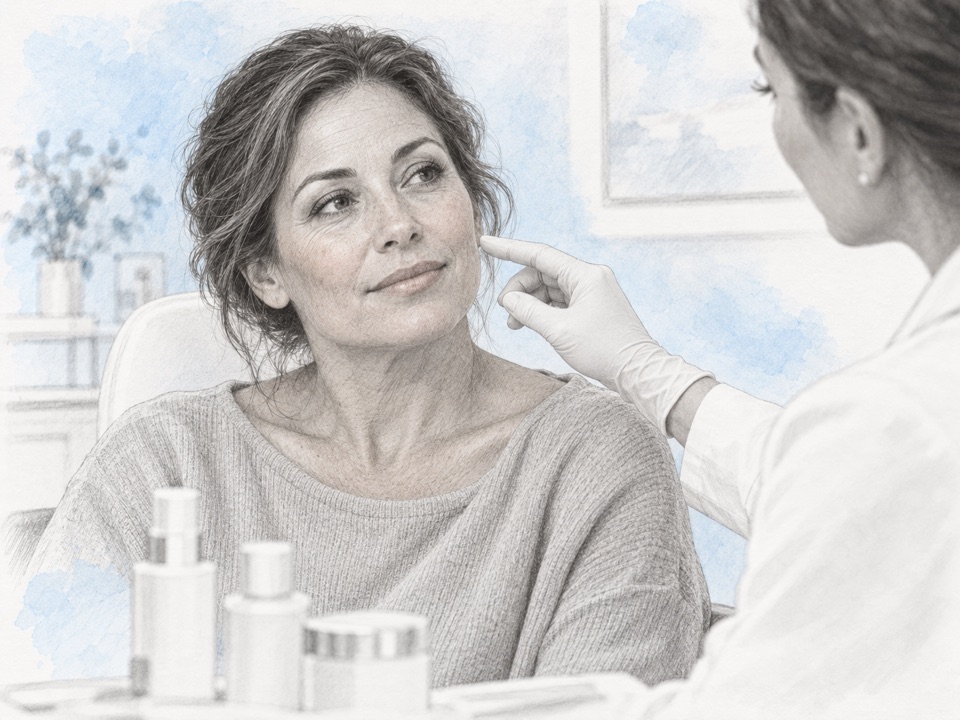
Skin-care assessment
What to understand
A review of your routine gives you a starting point for dryness, irritation, and everyday skin concerns.
Ask which concern needs a diagnosis before a cosmetic treatment.
Before committing
Bring product names and note what you have already tried. Ask how long to assess a change before adding something else.
Texture
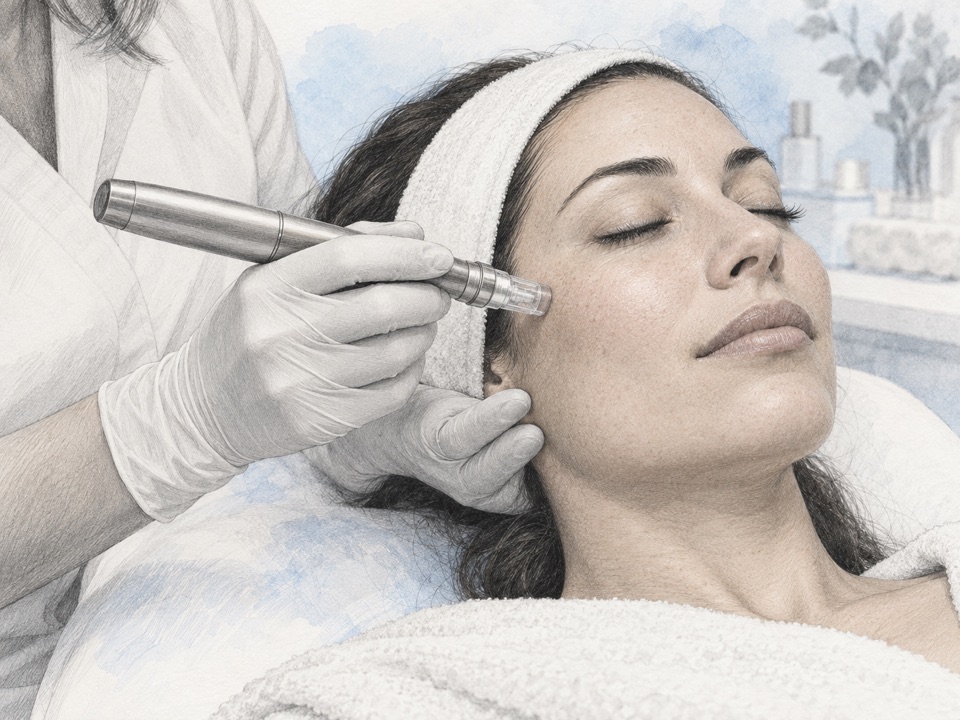
Professional microneedling
What to understand
Used for concerns including acne scars and uneven texture. Improvements develop gradually and may require several appointments.
Active inflamed acne or infection can mean postponing treatment.
Before committing
Ask about recovery, pigment changes, and when results will be assessed. Standard needling and RF microneedling are different procedures.
Movement
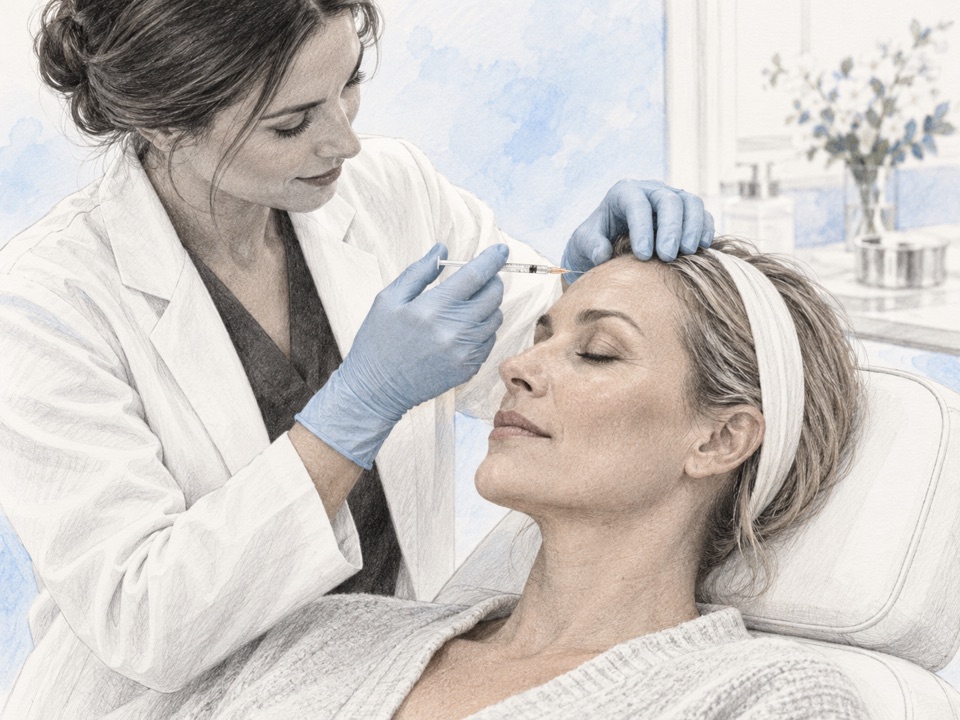
Botulinum toxin
What to understand
Temporarily relaxes selected muscles to soften expression lines. Effects commonly last around three to four months.
It does not address every source of a tired appearance. Bruising and temporary eyelid or brow droop are possible.
Before committing
Discuss the expressions you want to preserve, follow-up, and the ongoing cost if you choose to maintain the effect.
AI-generated editorial illustrations show treatment settings and assessment areas. They do not depict real patients or treatment results.
Options to research and discuss. A qualified clinician must assess suitability; choosing a goal here does not recommend a procedure.
The detail that matters
The first question is not “how much filler?”
Start by identifying the cause of the concern. Filler is a medical procedure: rare injection into a blood vessel can cause tissue damage, blindness, or stroke. A photograph alone cannot establish whether it is appropriate.
Read the FDA filler guidanceChoose one priority
Write a sentence about the change you want. “I want to discuss the lines when I frown” is more useful than “fix my face.”
Leave room for recovery
Tell the clinician about upcoming photographs, travel, or an event before discussing treatment dates.
Price the follow-through
Ask for the initial appointment, any course of sessions, follow-up, and maintenance to be quoted separately.
03 / Take something useful with you
Your consultation brief.
Put your goal and questions in one place. Download your notes to bring to an appointment.
When you are ready
Take a clear goal to the consultation.
Browse practices, review the named practitioners, and confirm who would assess and treat you. A directory listing does not establish suitability.
Sources & editorial notes Updated 17 October 2026
Educational information from the sources below, checked 17 October 2026. This guide is not a personal treatment plan and has not been independently reviewed by a clinician. Illustrations are artistic references, not patient results.